Renewal under review? Engage the seats beyond the CIO
A renewal under review is a new deal. Beyond the CIO, engage every seat it depends on, give each an owner and a date, and count engaged seats weekly.
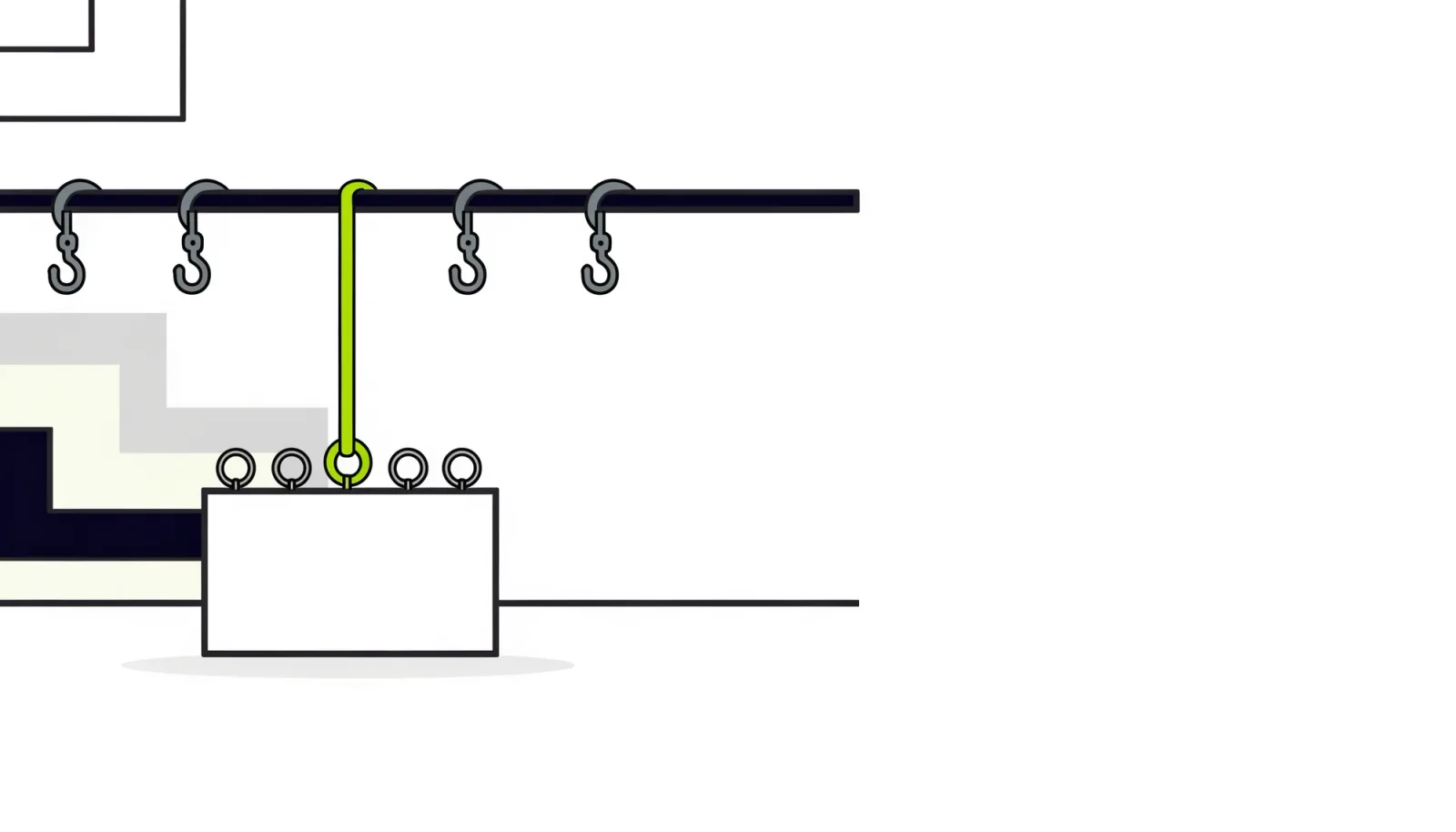
A renewal under review is a new deal
Once a new leader puts your renewal on a review list, the customer is buying again. Many of the people who decide have never bought from you. Your contract is now an option on a scorecard, next to the platform module that would replace you. So treat it as a new opportunity: a buying group to map, a decision date to work back from and seats to engage.
The review tells you who the seats are. A sponsored guide for health systems says applications are “graded on fit, function, user sentiment and total cost of ownership”.↗ Other reviews use other words, such as risk, overlap or strategic fit, but each criterion still has a person who scores it. Each of those people is a seat you need beyond the leader who built the list:
- The review owner, usually that new leader, who sets the criteria, picks the scorers and owns the dates
- The platform or architecture lead, often the leader’s direct report, who judges fit with the platform the customer is consolidating onto
- The business owner of the workflow your product serves, who judges function and answers for the outcome
- The end-user lead, the manager whose team uses the product every day and whose view becomes “user sentiment”
- Finance: the budget owner and the analyst who will compare total cost
- The contract owner in procurement, who holds the notice date and the terms; procurement is a decision-maker in 53% of buying cycles↗
Then mark every seat on your old map as kept, lost authority, left or new.↗ The sponsor who bought from you may still be there and still like the product. If the new leader now owns the decision, that seat has lost authority. The account has moved from your account-management map to a deal map.
A single sponsor is a coverage gap, not a defence
We think a renewal that rests on a single relationship is undefended, however good that relationship is. The review is scored by people your sponsor doesn’t manage. Finance compares the costs, the business owner judges the workflow and the users say how the product works for them. Any of them can turn the score against you without your sponsor in the room.
In our experience, reps default to the contact they’re comfortable with. Hoping that contact brings in finance and the users leaves it to chance. So the plan has to name who on your side talks to which seat, and by when. It’s the rule we apply to a new deal: a single engaged contact doesn’t make a qualified opportunity, and a single loyal sponsor doesn’t make a defended renewal.
The seats that matter are the ones that decide this review, each with a named person in it. The rest of the account can wait. Coverage won’t save every renewal, either. A customer with a good reason to switch will switch. What coverage buys is a decision made by the people who own the outcome, on evidence they have seen.
Each seat gets an owner and an engage-by date
Organise the defence as a seat plan. Every seat gets a single person on your side, a small first ask and a date to be engaged by. Start from the decision date, the earlier of the review’s own decision and the contract’s notice date. A contract that renews on 1 June with 90 days’ notice is decided by 3 March.↗ Count every engage-by date back from it, and take the renewal out of your commit forecast until the plan’s gate is met.↗
- 01Day 0
Record the review
Put its owner, criteria and dates on the account with the notice date, and take the renewal out of commit until the gate is met.
- 02Week 1
Meet the review owner
An executive from your side asks for the criteria, who scores each one and the dates. No pitch.
- 03Week 1
Remap the seats
Mark each seat kept, lost authority, left or new, and give it an owner on your side, a first ask and an engage-by date.
- 04Before scoring
Engage the scorers
Users and the business owner see your baseline, the platform lead a side-by-side comparison and finance the cost comparison in its own measure.
- 05Every week
Review coverage
Engaged seats ÷ seats that matter, against the starting figure. A missed date opens the next review.
- 06Before notice
Settle the contract
Agree with procurement the terms that follow from the review, before the notice date passes.
Give each seat an owner it will take seriously, someone who can answer its first question. An executive from your side takes the review owner. The first meeting asks for the criteria, who scores each one and the dates, and pitches nothing. A solutions architect and the platform lead compare your product with the module that would replace it, side by side. A domain specialist takes the business owner through what would change in the workflow. Customer success brings the end-user lead your usage and outcome baseline. A value lead, or your CFO, builds the cost comparison with finance, in finance’s own measure. The account executive keeps procurement on the notice date and the options. Keep each first ask small, such as a 20-minute call about the criterion that seat scores.↗
| Seat | What it decides | Owner on your side | Engage by |
|---|---|---|---|
| Review owner | The criteria, the scorers and the dates | An executive, such as your CEO | Week 1 |
| Platform or architecture lead | Fit with the platform | Solutions architect | Before scoring |
| Business owner of the workflow | Function and the outcome at stake | Domain specialist | Before scoring |
| End-user lead | User sentiment | Customer success lead | Before scoring |
| Finance: budget owner and analyst | Total cost of ownership and return | Value lead or your CFO | Before the business case |
| Contract owner in procurement | Terms, notice and transition options | Account executive | Before the notice date |
A single person, usually the account executive, owns the plan and runs its weekly review. Everyone else owns a seat and reports into that review, so the customer hears the same story from everyone on your side.
Start before there is a list. A new leader in the seat that bought from you is the signal. Route the appointment to the account owner the same day, with a named fallback, and remap the seats then.↗ In months 3–6 of the new leader’s tenure, offer a baseline of what your product does there today; in months 6–9, get into next year’s budget plan; in months 9–12, agree a decision or renewal date.↗
Renewal coverage is engaged seats over seats that matter
Renewal coverage is the number of engaged seats divided by the seats that matter, reported weekly beside the figure on the day the review landed.↗ A seat counts as engaged when its holder has had a two-way exchange with someone on your side in the last 90 days.↗ That means a call, a meeting or a written reply to a question you asked. A forwarded deck, an opened email or your sponsor’s account of a meeting doesn’t count. That is the line between reaching finance and engaging it. Your deck reached the analyst; a reply that corrects your numbers engaged them.
Set a gate ahead of the scoring date: the review owner, the budget owner and the business owner engaged, and every other seat with an owner and a date. Until it’s met, the renewal stays out of commit. The weekly review shows coverage against the starting figure, the next empty seat, its owner on your side and its engage-by date. With several renewals under review, sort them by the days left to each decision date. A missed engage-by date opens the next review with a new date and a reason.↗
Coverage on both sides goes with winning. Multi-threading lifts win rates by 130% on average in deals over $50k.↗ On the seller’s side, Gong’s data shows win rates doubling when 1 more colleague joins a deal.↗ CxOs, the least-used of its 4 seller-side personas, go with the highest win rate.↗ Win rates rose from 15% with no team selling to 50% with 3 or more seller-side personas involved.↗ These are correlations from new business, but a renewal under review is a new decision.
Win rates rose from 15% with no team selling to 50% with 3 or more seller-side personas on the deal
Data behind this chart
| Item | Value |
|---|---|
| No team selling | 15% |
| 3 or more seller-side personas | 50% |
The answers AI assistants give to this question today stop before the measure. Of the 2 AI answers and 3 cited pages we read, none says when a person counts as engaged, and none measures coverage of the people who decide.↗
The seat plan, worked through on a health system renewal
At a health system, the director of enterprise applications judges fit, a service-line or nursing leader owns the workflow, a department manager leads the users and supply chain holds the contract. Clinical informatics is often in the CIO’s own team: 50% of CMIOs now report directly to the CIO, up from 32% in 2023.↗ Expect finance to judge the renewal as an investment. Where providers and payers set formal return thresholds, the most common hurdle is 3.0–3.9× the original investment.↗
Take a fictional vendor of cardiology reporting software, paid €180k a year by a fictional 5-hospital system.↗ In October, the CIO appointed in May lists it for replacement by the EHR’s own module. That is a common direction: Epic users show a strong preference for EHR-native solutions over third-party ones.↗ The governance committee scores the list on 9 December 2026.↗ The contract renews on 1 April 2027 with 90 days’ notice, which falls on 1 January, so 9 December is the decision date.↗ On day 0, 1 of 7 seats is engaged: the department manager, a user since go-live.↗ The plan:
- By week 1: the vendor’s CEO meets the CIO↗
- By week 3: its solutions architect and the director of enterprise applications compare the product with the module↗
- By week 4: its clinical lead takes the CMIO and the cardiology service-line VP through 2 years of report turnaround times↗
- By week 5: its CFO works the cost comparison with the VP Finance↗
By the end of week 6, 6 of 7 seats are engaged, the 3 gate seats among them, 10 days before the committee.↗ The account executive takes the supply chain contract manager next. The vendor learned of the CIO from the list itself; a routed appointment would have warned it 5 months earlier.↗ For a vendor with 300 target hospitals, the CIO, CMIO and VP Revenue Cycle seats come to at most 900 to watch, about 90–180 changes a year.↗

In practice
How we do it at Panelhop
In a Panel Check, our GTM audit of 2–3 weeks, check H3 looks at whether every customer has a renewal date, an owner and renewal tasks well before the date.↗ Check D2 counts the engaged contacts on every open deal above your minimum deal size.↗ When a renewal lands on a review list, a Leak Fix, where we build the fixes in your CRM, puts the review on the account: its owner, criteria and dates, the notice date, every seat with its status, owner and engage-by date, and a weekly coverage report against the starting figure.
AI drafts the seat map and a renewal-prep brief from the account’s notes. Your account owner corrects them, and every message to the customer is written and sent by a person.
Questions buyers ask about this
Who do we need on our side, beyond the CIO, to keep the account?
The people who score the review: the CIO’s direct reports who run the assessment (at a health system, often the director of enterprise applications and the CMIO), the business owner of the workflow, the end-user lead, finance and the contract owner in procurement. Give each of them an owner on your team, such as an executive for the CIO, a solutions architect for the platform lead and a value lead for finance, with an engage-by date before the review decides.
How do we get a CRM alert when one of our 300 target hospitals names a new CIO, CMIO or VP Revenue Cycle, and what should the rep do in months 3–12?
Track those 3 seats at every target hospital from the system’s announcements, trade-press move lists and job-change alerts, confirm each change and route it the same day as a CRM task for the account owner, with a named fallback: 300 hospitals is at most 900 seats to watch. In months 3–6 of the new leader’s tenure, offer a baseline of what your product does there; in months 6–9, get into next year’s budget plan; in months 9–12, agree a decision or renewal date. At a customer, remap the seats at the same time, before any review list exists.
Should we go around the new CIO to reach finance and the clinical leaders?
Make the review owner your first seat instead. An executive from your side asks the CIO for the criteria, who scores each one and the dates, and names the other seats you’d like to meet, so every later meeting sits inside the review. Several of those seats, such as clinical informatics, often report to the CIO anyway.
What if the review has already decided to replace us?
Ask the review owner whether the list is a proposal or an approved decision, and what would reopen it. If replacement is approved, agree the transition and the contract terms with the business owner and procurement before the notice date. Keep the seats engaged after the decision: they are the buying group for whatever you sell there next.
How many seats need to be engaged before the review decides?
Count the seats that matter: the review owner, the seat behind each criterion the review scores, the budget owner and the contract owner. Before the scoring date, have at least the review owner, the budget owner and the business owner engaged, with every other seat owned and dated. Engaged means a two-way exchange in the last 90 days; an opened email doesn’t count.