Blog
Answers for high-ACV B2B teams
Straight answers to the questions B2B teams selling €25k+ deals ask about account-based GTM, with the numbers and sources behind them.
81 answers · updated
 Manufacturing · · 8 min
How many target accounts per AE? Size by buying group roles
Cut each AE’s list to what they can really cover. Count the buying group roles a deal needs at the parent and at each site, multiply by the accounts and compare with the roles the AE keeps in two-way contact today: 80 roles cover 20 accounts that need 4, or 13 that need 6. Test it against a baseline.
Read the answer revops · · 9 min
RevOps agency for long sales cycles? Fix stages and roles first
A RevOps agency should first fix the fields forecasts and automations read: stage exit criteria, a buying group role for every contact on a deal, one record per account and a named owner for every routing rule. It should baseline them, document them in your own CRM and be judged by whether each open deal shows its engaged roles.
Read the answer Logistics · · 8 min
Pick the first ICP segment by who funds the deal, then tier it
Pick the segment where enough accounts can pay your price and a budget owner can be named and reached, with won deals as the tie-break. Cut every account below the deal-size floor, tier the rest on ICP fit and buying signals, set buying group coverage per tier by deal size and judge it at 90 days by qualified accounts.
Read the answer Utilities · · 8 min
Hiring ABM help when account types buy differently: 4 checks
Ask the agency or consultant to show its work on 3 of your accounts, one per buying model. Good ABM help tiers target accounts by how each type buys, maps each type’s buying group, council or board and selection consultant included, counts engaged roles per account and reports every role that didn’t move against a baseline.
Read the answer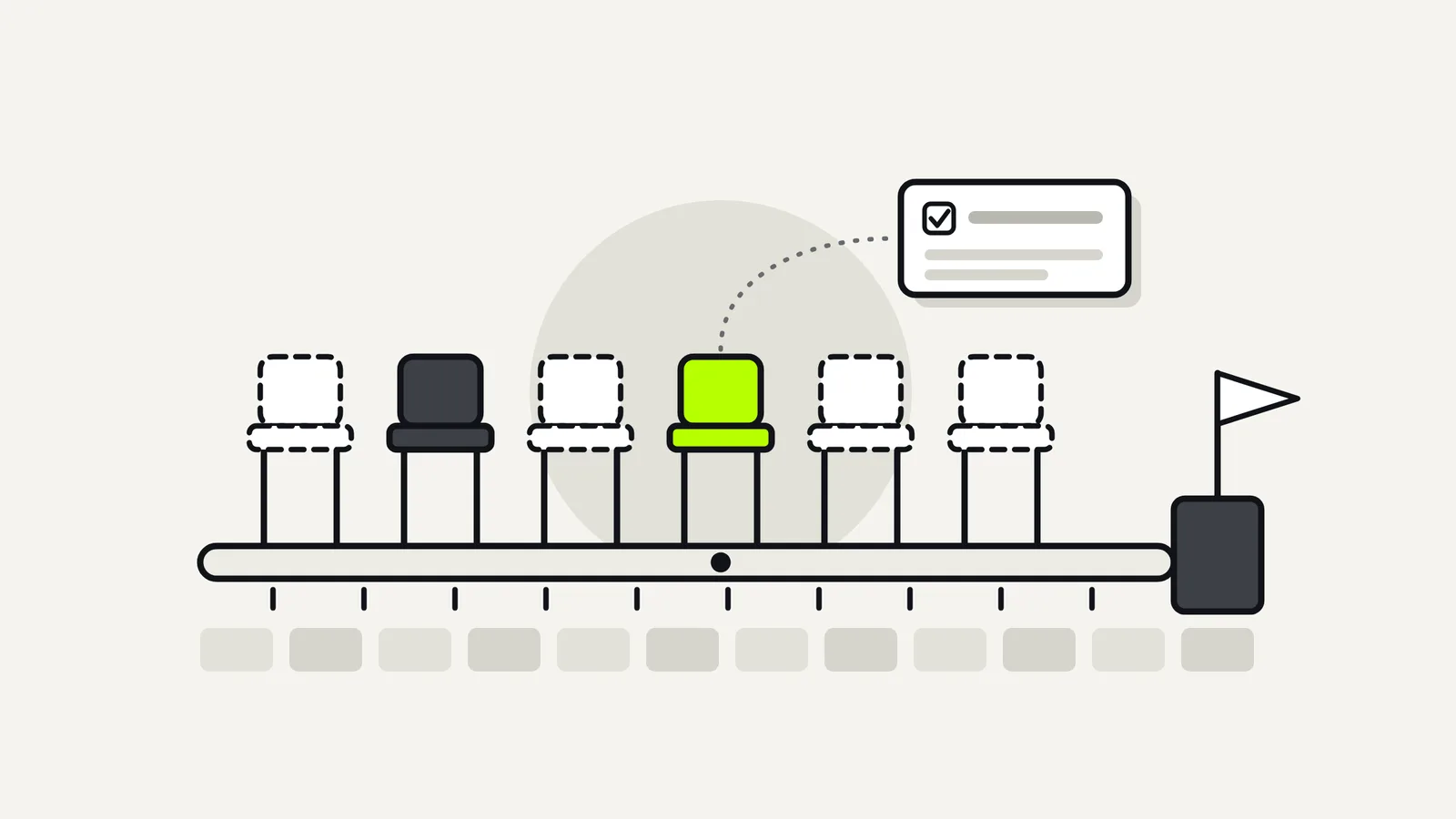 Pharma and life sciences · · 9 min
Target account list for buyers not hired yet: tier by event date
Build the target account list as a timeline. Give each account a dated buying event, tier it by months to that event and list the roles that must exist before a deal can close. Each hire into an empty role is the buying signal: route it to a named rep the same day, with a first touch.
Read the answer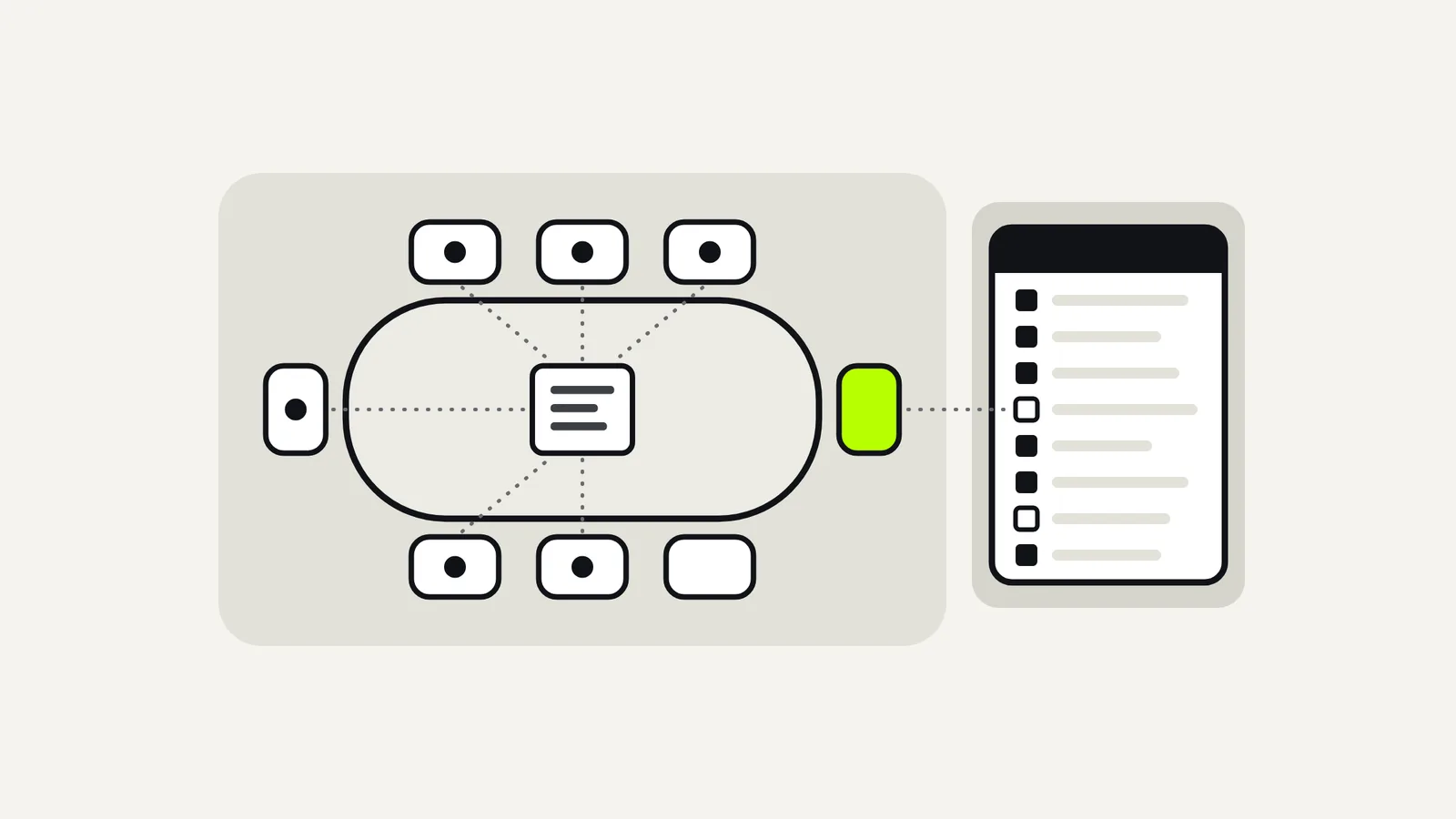 Banking · · 8 min
Hiring an ABM agency? Judge it by buying group roles engaged
An ABM agency should build a short, well-fit target account list, name the buying group roles that must say yes at each tier, and plan who on your team engages each role, by when. Judge it by how many of those roles per target account have replied, called or met you, against a baseline, with misses reported.
Read the answer account-scoring · · 9 min
Account scoring in your CRM or an ABM platform? Test each step
Decide one step at a time. Test fit scoring, signal capture, routing to a named rep and the same-day action in your CRM, and fix what fails there. Buy an ABM platform only for a step your CRM can’t fix. An independent ABM consultant willing to recommend buying nothing can run the test before you renew intent data.
Read the answer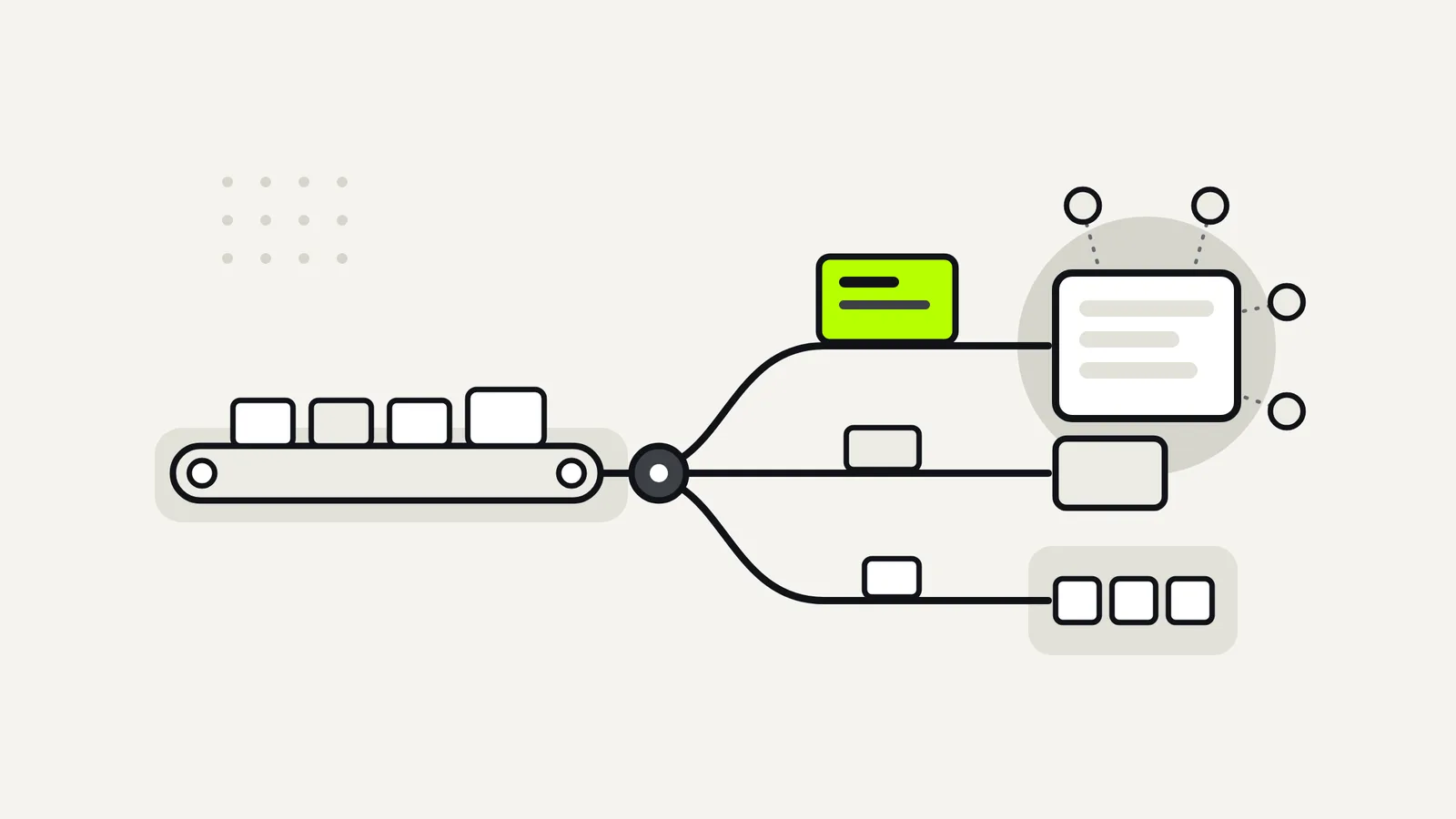 Insurance · · 8 min
Lead routing when deal sizes differ: read the account tier first
Route by account tier, not by form. Match each demo request to its account and read the tier before assigning anyone. Tier 1 goes to the account’s named owner within a working hour, and buying group mapping starts that day; small accounts get a booking link and a named owner. Fix the CRM fields routing reads first.
Read the answer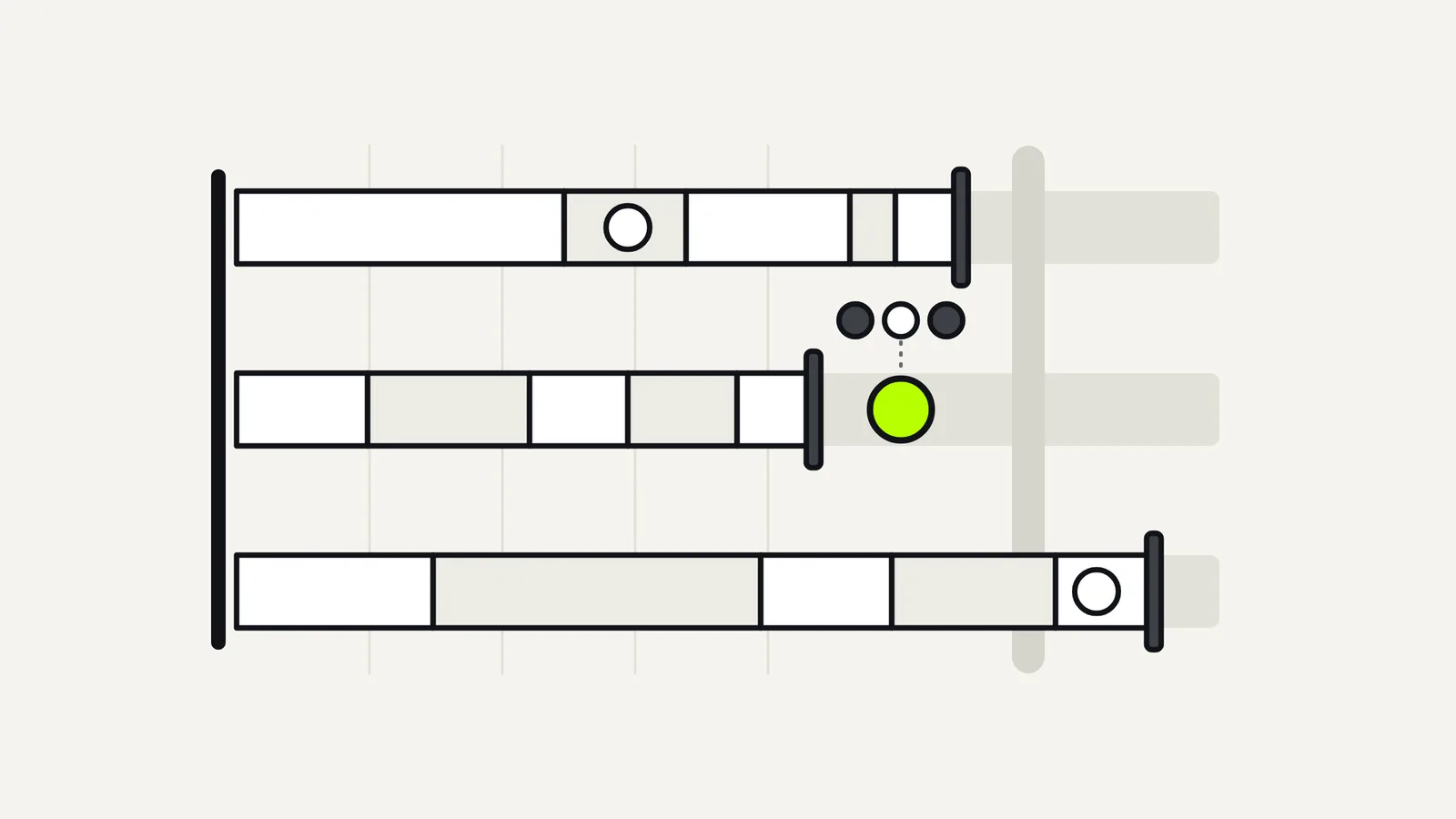 Telecom · · 8 min
Sales cycle by segment: set stage durations from your own deals
Each segment has its own sales cycle. Give every deal a segment, set each stage’s duration from the median days that segment’s won deals spent there, and mark deals past the 75th percentile as overdue. Make each stage exit name the buying group roles engaged, so an overdue deal points to a missing role or a fuzzy stage.
Read the answer Manufacturing · · 8 min
Pilot purgatory? Sell the rollout to its own buying group
Sell the rollout as a new deal with its own buying group. The pilot won a single site; the rollout needs a group budget owner, group finance and the operations lead of every site that must change. Open it as its own opportunity before the pilot ends, map those roles and plan who talks to whom, by when.
Read the answer routing · · 8 min
Check routing before you hire an SDR, demand gen or ABM agency
Hire for the step that’s broken: more outbound volume rarely fixes a routing problem. First check that replies and buying signals from target accounts reach a named owner the same day, that qualification counts engaged buying-group roles and that cadence fits each deal size. Then hire an SDR agency for conversations, demand gen for awareness or ABM for depth.
Read the answer abm · · 8 min
Fractional ABM lead or agency while you hire? Own what they build
Yes. A fractional ABM lead or an ABM agency can run account targeting for 6 months if you keep what it builds: the target account list, tier rules, buying-group roles mapped per account and the scoring and routing logic, documented in your own CRM. Judge it against a week-one baseline of roles engaged and qualified pipeline.
Read the answer Logistics · · 8 min
Trade shows or ABM? Measure both on one target account list
Make the year-round ABM programme the base and a trade show one planned touch inside it. Then judge both on the same target account list: set a 90-day baseline and count, per channel, the Tier 1–2 accounts where someone who must say yes newly engaged and those that qualified, at full cost. Badge scans don’t count.
Read the answer Healthcare · · 8 min
ABM agency, fractional CRO or SDRs? Hire for the broken step
Hire for the broken step in your sales cycle. Unmapped buying groups need an ABM partner; deals that stall at the champion need a fractional CRO; slow routing needs a CRM fix. More SDRs help only when too few deals start. Judge any partner by whether it names, per target account, who talks to which role by when.
Read the answer Utilities · · 8 min
Customer approval is an expansion signal: map the buying group
Treat a customer’s approval as a buying signal for a new deal. Route it to a named owner that day and find the date another vendor’s contract fixes the scope. Ask procurement whether an amendment can cover the new scope. Map the bigger scope’s buying group, including finance and regulatory affairs, and set an engage-by date for each person.
Read the answer intent-data · · 8 min
Hiring intent data help? Judge it by the same-day signal test
An intent data consultant or buying signals agency should build the path from signal to action: a tiered target account list, an owner per tier 1–2 account, routing rules and plays per buying group role. It works if tier 1–2 signals reach a named owner the same day, with the role they point to and an action.
Read the answer Pharma and life sciences · · 8 min
From founder referrals to a short, mapped target account list
Build the target account list from your referral wins: the account type, the event behind each deal and every role involved. Keep only the accounts your team can map and work each week. Name the buying group roles at each, count an account qualified once 3 are engaged, and keep it in your CRM, not the founder’s head.
Read the answer- BankingBanking · · 8 min
Who to bring in before a pilot starts: the longest review first
Bring in first the reviewers whose reviews take longest, before the pilot starts: for an AI model at a bank, model risk and vendor management, with the CIO first if you need the core’s data. Agree each review’s evidence and dates, counted back from the production decision, and start no pilot until every reviewer is engaged.
Read the answer - InsuranceInsurance · · 8 min
When IT and a partner share selection, who do you reach first?
Reach first the person who runs the selection, usually the IT subsidiary’s demand or architecture lead. Reach the partner’s delivery lead second, then meet the sponsor with both in the room. Before any call, map the buying group across all 3 organisations, and track engaged roles, not contacts, so a one-sided deal shows as stalling.
Read the answer - abmabm · · 9 min
1:1 ABM on 10 accounts or 1:few on 100? Let deal size decide
Neither by default. Deal size picks the motion: an account that can carry a deal above about €250k needs 5 or more buying group roles engaged and its own plan, so 1:1; at €75–250k, 1:few. Capacity sets the size: each tier's roles must fit what 4 AEs can multi-thread and its plans what 1 marketer can run.
Read the answer  Telecom · · 9 min
Reps ignore buying signals? Give each AE a weekly account list
Replace the alert feed with one weekly list per AE, capped at what they can work. A buying signal gets on only if the account is tier 1 or 2 on your target account list. Each entry names one owner, the next buying group member to engage and this week’s action. Track the share acted on against a baseline.
Read the answer Manufacturing · · 8 min
Turn founder-led sales into a repeatable process: write it down
Write the founders’ deals down first. From won and lost deals, record the ICP and which buying-group roles said yes, in what order. Note what the buyer did to move each stage. Keep it in your own CRM. Then judge any fractional CRO, consultancy or agency by whether a new rep can forecast from what it leaves.
Read the answer abm · · 8 min
What does an ABM agency cost? Scope accounts, tiers and roles
An ABM agency’s fee follows the work in its scope, not a retainer tier: how many target accounts sit in each tier, how many buying-group roles each account needs at your deal size and whether routing and CRM basics already work. Count those three first, write them into one brief and compare every proposal’s price for the same work.
Read the answer Logistics · · 8 min
ABM ads reaching people who can’t buy? Target buying group roles
Job-title keywords reach the people who feel the problem, rarely the people who sign. Name the roles each account tier needs to close (budget owner, finance, IT security, operational lead), find which are empty at each target account and aim ads and rep outreach there. Good ABM help reports roles with a two-way exchange per account against a baseline.
Read the answer target-account-list · · 8 min
Hiring help for your target account list? Judge it by 8 tests
Hire the agency or consultant that will build your target account list as a system: scored from your won and lost deals, tiered to your sellers, with buying-group roles named and each signal routed to a named rep the same day, built in your CRM and handed over. Then judge it with 8 pass-or-fail tests.
Read the answer Healthcare · · 8 min
Show the board engaged buying groups per target account, not MQLs
Replace the MQL count with coverage per target account: engaged buying group roles divided by the roles that matter for its tier. Count only two-way contact within 90 days: a reply, a call or a meeting. Show the board coverage by tier and accounts with 3 or more roles engaged against a pre-programme baseline, and explain a miss.
Read the answer Energy · · 8 min
Get on the long list: score selection consultants as influencers
Score each account on fit and each person on role, so consultants never become MQLs. Keep one record per selection consultant, linked to the accounts they advise. Route each selection signal to the account’s named rep the same day with one action: brief the consultant and reach the buying group before the long list closes.
Read the answer Pharma and life sciences · · 8 min
Account scoring: a buyer that steers other buyers needs 2 scores
Score an account that buys from you and steers other buyers, such as a CRO that licenses your data and influences sponsors, on 2 fits: one per role. Tier it on the pair, not the sum. Map who approves its own purchase and who recommends vendors to its clients, and qualify it only when both sides are engaged.
Read the answer Banking · · 9 min
How to cross-sell when each new module needs board approval
Treat each module as a new deal: the board, vendor management, IT security and finance approve it again. Score your existing customers and work only those with fit and a live buying signal. For each, mark who approved the first purchase and who has changed, then give every approver an owner and a date before you pitch.
Read the answer Insurance · · 8 min
When customers consolidate, tier accounts by buying authority
Rebuild the target account list around where the buying decision now sits. Link each acquired customer to its parent in the CRM, then tier the parent on ICP fit and buying authority, not each logo. Where it buys centrally, treat acquired customers as proof points under one owner and move outreach to the parent’s buying group before it standardises.
Read the answer Telecom · · 8 min
Field sales or low-touch? Tier accounts by deal size and fit
Tier accounts by expected deal size and fit, not a single ACV cutoff. Field sales gets accounts whose deals pay for an AE’s time and need a buying group mapped. The rest get a low-touch tier with a named owner, and buying signals promote the ones that grow. Baseline AE hours and qualified pipeline per tier first.
Read the answer Healthcare · · 7 min
No budget until next fiscal year? Qualify the funding path
Qualify the funding path in discovery and make it an exit criterion: the budget owner or their direct report engaged, a named source of funds and the date that source is decided, often a request deadline months before the new year. Deals missing any of them stay out of commit, so the slip shows early.
Read the answer Manufacturing · · 8 min
One account per logo? Model the parent, sites and contact roles
Give the group a parent account and each site that can buy or block its own child account. Put every contact on a single direct account with a role from a short list, and name an owner with a fallback at each level. Routing then reaches the site’s owner, and coverage becomes engaged seats per site and per deal.
Read the answer buying-signals · · 7 min
Act on early signals without flooding reps: map before you pitch
Give every signal a lane the same day. A structural signal, such as a new CIO, a RevOps hire or a CRM migration, starts a mapping play: a named owner engages the changed seat without a pitch, months before any RFP. Only signs of an active evaluation reach a rep as a sales alert. The rest is logged.
Read the answer Energy · · 7 min
A verbal yes is not a stage: engage every seat in discovery
A verbal yes should count only when every seat that can stall the deal is engaged. Write discovery exit criteria that name those seats (for an ETRM deal: risk, middle office and IT) and give each an owner on your team, a date and a written test. Let the CRM block the stage change until then.
Read the answer Pharma and life sciences · · 8 min
Pipeline by segment for the board: define the CRM fields first
Start with the definitions, not a dashboard. Write each segment as a rule a second person would apply the same way, and store it on the account as a controlled field with an owner. Keep tier and dated facts in fields of their own, copy the segment onto each deal at creation, then report against a baseline quarter.
Read the answer Banking · · 8 min
Name the blocking dependency in the first call, before the demo
Ask 4 questions in the first call, before any demo: what has to happen first (such as a core conversion), who owns that date, what it rests on and whether the purchase waits. Make those discovery exit criteria and count the deal as qualified once a budget owner confirms the timeline. Then calculate the close date from it.
Read the answer Telecom · · 7 min
Build the list, fix the routing, then test intent data
Build the list from public filings and association rosters, tiered on fit. Watch those records for dated events, like a new chief executive or a funding award, and route each to a named rep the same day. Buy intent data last, and only if a short trial on your own list starts conversations the records missed.
Read the answer Logistics · · 7 min
Champion gone dark for a season? Multi-thread the other seats
Run ABM on a finite named list and write inbound content for the seats you’re working. Before the champion’s busy season, agree a restart date with them and plan the seats you’ll engage meanwhile: the budget owner, finance and IT. Give each an owner on your side and an engage-by date inside the window, and count engaged seats weekly.
Read the answer Insurance · · 7 min
Pilot hit its targets but no contract? Engage the budget owner
The pilot won a sponsor, not a buyer. Production is paid from a run budget the innovation team doesn’t hold, so its owner, finance and IT security had to be engaged while the pilot ran. Now ask your sponsor to introduce that owner, restate the results in their measure and count nothing as pipeline until they engage.
Read the answer Manufacturing · · 7 min
Multi-threading beyond IT: plan the seats your CRM is missing
When SDRs only reach IT, the gap is coverage design: more contacts or dials add more of the same seat. Name the 3–5 seats each account tier needs, starting with whoever owns the operational problem. Give every empty seat an owner on your team, a path in and a date, then report engaged seats per account.
Read the answer Healthcare · · 7 min
Renewal under review? Engage the seats beyond the CIO
Treat the renewal as a new deal. Beyond the CIO, engage every seat the review depends on: the workflow’s business owner, the end-user lead, finance, the contract owner and the CIO’s direct reports who run the assessment. Give each seat an owner on your side and a date before the review decides, then count engaged seats weekly.
Read the answer account-scoring · · 7 min
Which accounts get real effort? Tier as a team, plan each seat
Decide it as a team: score all 300 on fit and dated signals, size Tier 1 to what 4 AEs can multi-thread (about 10 accounts each), and name 4 seats at every Tier 1 account, each with an owner on your side and a date. Re-tier quarterly by a written rule, never on a rep’s interest.
Read the answer Pharma and life sciences · · 8 min
Route early signals to a seat before the shortlist forms
Track the events that come before a shortlist: a funding round, a new leader in the seat that chooses, a hiring cluster or a partner’s award. Route each one the same working day to a named owner, with the buying-panel seat it opens and one dated action. Then count the seats engaged before the shortlist forms.
Read the answer Energy · · 8 min
Who can buy a $100k deal? Set the floor, then name the seats
Start from the deal: $100k divided by the most any won customer pays per unit, such as per well, gives the smallest account that can carry it. Drop accounts below that floor, rank the rest on fit, size Tier 1 to your sellers and name 4 seats at each before outreach: operations, finance, IT and the budget owner.
Read the answer Banking · · 7 min
Tier accounts by proof they buy outside their platform, not size
Tier accounts on evidence they buy outside their platform, whatever their size: a named purchase from another vendor in the last 3 years, checked at its source. Cap Tier 1 at your sellers’ capacity and name its seats. Then let the tier set the spend: dinners for Tier 1, signal-based outreach for Tier 2, nothing for Tier 3.
Read the answer Telecom · · 7 min
Budget moved to another function? Requalify every open deal
Treat a budget move as a seat change on every open deal it touches. Keep those deals out of commit until each passes one test: has the new budget owner, or their direct report, had a two-way exchange with you in the last 90 days? If not, give the introduction an owner on your side and a date.
Read the answer Logistics · · 7 min
Build the target account list from evidence, not industry codes
Define fit by operating evidence: what the account runs, at how many sites and for whom. Gate out look-alikes before scoring, verify the site count at a named source and size Tier 1 and 2 to the buying panels your sellers can map. Store each fit field with its evidence, so scoring and routing read the same definition.
Read the answer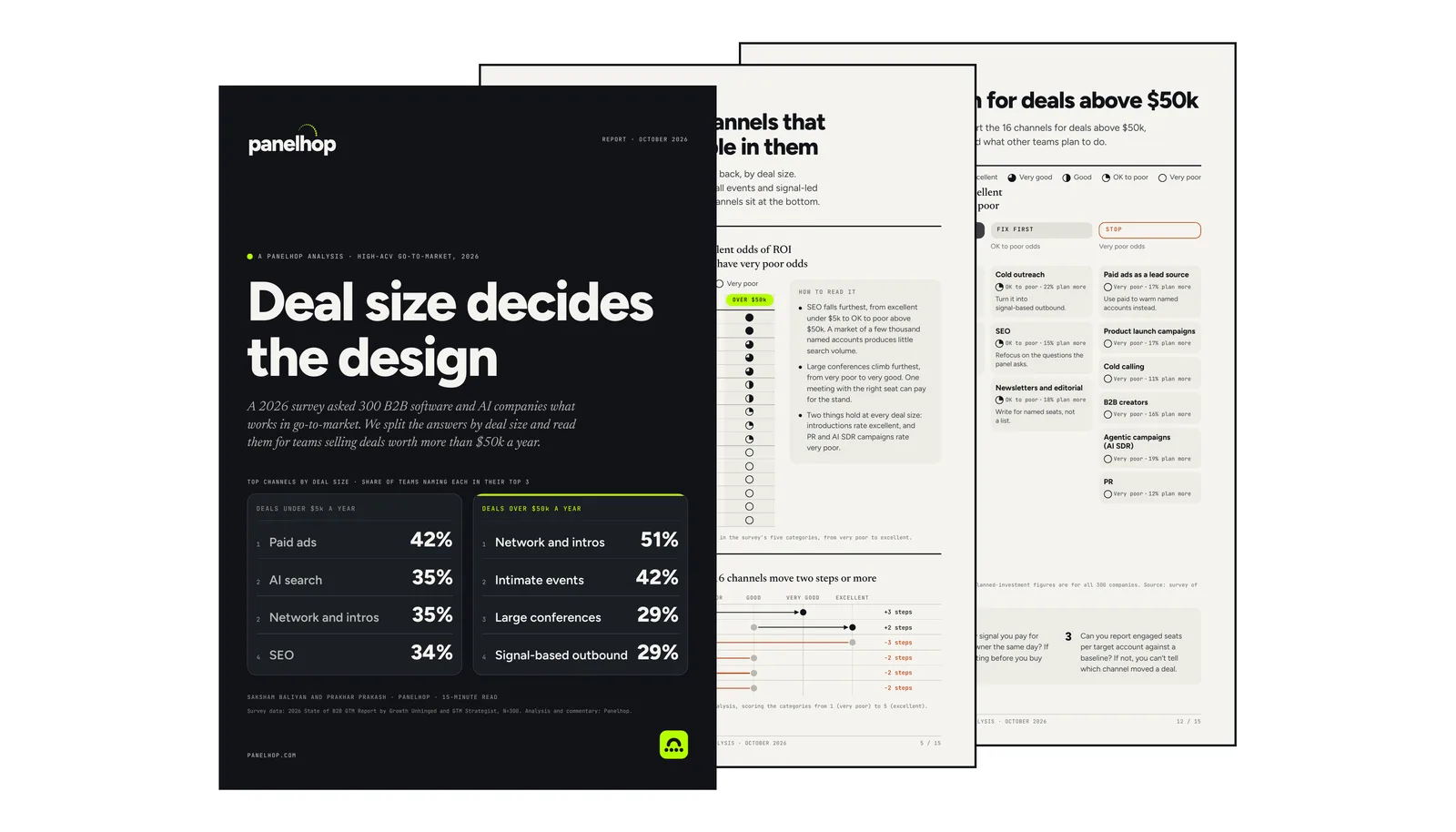 high-acv · · 5 min
Deal size decides the design: what pays back above $50k
Above $50k a year, the channels that pay back have people in them: introductions, small rooms, signal-led outbound and AI search. Paid ads, launches, cold calling and AI SDRs rate very poor. We split a 2026 survey of 300 B2B companies by deal size; the full 15-page analysis is free to download below.
Read the answer Insurance · · 8 min
Remap the buying panel after an acquisition or a lost deadline
Re-engage each account by remapping its buying panel first. List the seats engaged before the change. Name who now owns the decision and the budget: often the acquirer's integration lead, or a new sponsor once the deadline is gone. Give each empty seat an owner on your side and a date, and report coverage against the old panel.
Read the answer Manufacturing · · 6 min
Trade fair pipeline: count engaged seats, not badge scans
Count the target accounts where a booth conversation engaged a new seat (a buying role), then how many of those accounts became qualified and opened opportunities, each against a pre-fair baseline. Badge scans are raw material. Before the fair ends, give every conversation a named follow-up owner and record the person’s seat on the account in your CRM.
Read the answer Healthcare · · 7 min
Is cold outbound dead at €25k+? Plan the path into each seat
Cold outbound isn’t dead, but volume is the wrong fix above €25k. Start with the seat that owns the problem you solve, and plan who opens each door: a customer’s leader in the same role, a peer, then your champion. Engage the budget owner before the business case and IT security at discovery. Work fewer accounts, seat by seat.
Read the answer pipeline-review · · 7 min
Pipeline reviews should show engaged seats, scaled to deal size
Add a coverage number to every deal: engaged seats over the seats its size needs, so single-threaded deals stand out. A seat is a buying role; engaged means a two-way exchange in the last 90 days. Make stage exits require the seats, and end each review with the next empty seat, an owner and a date.
Read the answer Utilities · · 8 min
Deals waiting on a regulator: date the approval, then the close
Stage the deal by evidence from the buyer, and give the outside approval its own fields: the docket, its decision date and your measured lag to signature. Derive the close date from both and commit only deals whose date lands in the quarter. Finance and the board read the same weekly CRM snapshot, checked against a baseline.
Read the answer Banking · · 8 min
Route a merger signal to both sides of the deal the same day
Watch announcements and regulator filings that name both sides weeks before a merger closes, such as NCUA’s merger register for credit unions, and match them to your accounts daily. Act the same day: a single named owner, the target and acquirer linked in the CRM, the open deal on a dated hold and the acquirer’s buying panel mapped.
Read the answer Telecom · · 7 min
A finite account list needs a contact budget, not more volume
Yes: build the list from public registers and memberships, and use intent data only to rank accounts inside it. In a finite market, every badly timed touch spends an account you can’t replace. Without SDRs, size Tier 1 to what your sellers can work, ration touches, time each to a dated trigger and track engaged seats.
Read the answer Pharma and life sciences · · 7 min
Veto seats need owners and dates before the shortlist
Name the seats that can veto at each account tier, such as quality, validation and IT security. Give each one an owner on your team and a date to engage it by, before the shortlist forms. Count a deal as qualified only once those seats have had a two-way conversation, and report roles engaged, not contacts reached.
Read the answer Logistics · · 7 min
Freight audit deal stuck at logistics and AP? Bring in finance
The budget owner signs: usually the CFO or VP Finance, sometimes the VP Logistics. The logistics and accounts payable managers who like you can champion the deal but not sign it. Qualify it once the budget owner or their direct report has spoken with you, and build the case with the controller on the shipper’s own carrier invoices.
Read the answer Manufacturing · · 7 min
MES forecasts: tie pilot and capex stages to the buying panel
Treat pilot, capex approval and first-site rollout as separate stages. A deal enters each only on evidence from the buying panel: a signed pilot charter, the plant controller engaged before the pilot ends, a submitted capital request with an approval date. Forecast first-site value on its own, and check every forecast against your own won and lost deals.
Read the answer Healthcare · · 7 min
New CIO or CMIO at a target hospital: route it and remap the seat
Give every target health system a CIO, CMIO and VP Revenue Cycle seat in the CRM, fed by the system’s announcements and job-change alerts. Route each change to the account owner the same day, with a play for that seat. Then update the seat, recheck panel coverage and plan who else hears from you by month 12.
Read the answer Insurance · · 7 min
Selling to MGAs: qualify the fronting carrier’s seat early
Qualify the capacity provider as a seat on the deal, not a later compliance step. In the first MGA call, name the fronting carrier and the person there who oversees the MGA’s delegated authority. Plan who introduces whom by when, and don’t call the opportunity qualified until that person has had a two-way conversation with you.
Read the answer expansion · · 7 min
Enterprise expansion: treat each business unit as an account
Treat each business unit as its own target account. Score it on fit and signals, map the seats its buying group needs, and fill the next empty seat through a warm introduction from the unit that bought. Give each unit its own CRM record and each contact a role, then report engaged seats per unit against a baseline.
Read the answer forecasting · · 8 min
Govtech deal stages that hold: funding, path and council date
Instead of demo and proposal, exit govtech stages on evidence the buyer controls: funding status, engaged budget and finance seats, the buying path (own solicitation, co-op contract or under the signing limit) and the meeting or signature that sets the close. Count a deal in a quarter only when its money is appropriated and that date falls inside it.
Read the answer buying-groups · · 6 min
Credit union deal stuck at the champion? Plan the seats with her
Go up with your champion, not around her. Agree with her which of your people meets which seat above her, why and by when, starting with a CFO review of what the pilot proved. Count engaged seats on the deal each month. If no budget owner will meet you, call the pilot complete rather than extend it.
Read the answer buying-groups · · 7 min
Selling SaaS to a utility: get finance and regulatory in early
At an investor-owned utility, a late “SaaS is opex” objection is a missing seat. At discovery, name finance, regulatory accounting and regulatory affairs. Give each an owner on your team and a question to settle, and keep the deal out of proposal until all 3 are engaged. Your champion opens doors but can’t answer for them.
Read the answer crm-hygiene · · 6 min
How fast does CRM contact data go stale? Measure your own rate
No measured rate fits every CRM. Official job data measure a single cause, people changing employer: 20.6% of US wage and salary workers had been with their employer a year or less in January 2026, as had 14.6% of employees aged 20–64 in Germany in 2025. Role changes add to that. Measure your own rate on 100 contacts.
Read the answer abm · · 7 min
What proves ABM is working at €25k+? Not win rate in year one
Proof needs a comparison: target accounts against a pre-launch baseline and, where the list is big enough, a holdout of similar accounts. At €25k+, win rate can’t show it in year one: telling a 20% win rate from 30% takes 294 closed deals in each group (Illustrative). Judge year one on opportunity rate and buying-group coverage.
Read the answer ai · · 6 min
How RevOps teams use AI, and why few say it added pipeline
Day to day, RevOps teams use AI as a layer around the CRM: account research, call notes, CRM updates, scoring and deal-risk flags. People keep pricing and forecast calls. So far the reported payback is mostly time: in a 2026 survey of 300+ RevOps leaders, under 9% say AI helped generate more pipeline. Judge yours against a pre-rollout baseline.
Read the answer crm-hygiene · · 6 min
CRM cleanup before lead scoring: fix the fields it reads first
Clean only the fields your score reads, to a set bar, before go-live. Our bar: duplicate accounts at 2% or less by normalised domain, 85% average fill on those fields for records created in the last 90 days, and a usable reason on 75% of lost deals. Then make the fields required at entry so they stay clean.
Read the answer forecasting · · 7 min
Why does a healthy pipeline still miss the forecast at €50k+?
A healthy-looking pipeline misses because it counts deals that won’t close. Research in HBR finds 40–60% of deals are lost to buyer indecision, and those deals stay open at stage value until someone closes them out. Stages often track seller activity instead of buyer commitment. With 20 deals of €75k, honest odds alone swing a quarter by ±34% (Illustrative).
Read the answer sales-marketing-alignment · · 7 min
Sales and marketing alignment at €25k+: agree on accounts first
Align on accounts first. At €25k+, sales and marketing should sign one short target account list, scored on fit and engagement, with tiers, owners and the buying-group roles each account needs. Then both teams report one number: how many of those buying groups are engaged and turning into pipeline. The MQL handoff count becomes a diagnostic.
Read the answer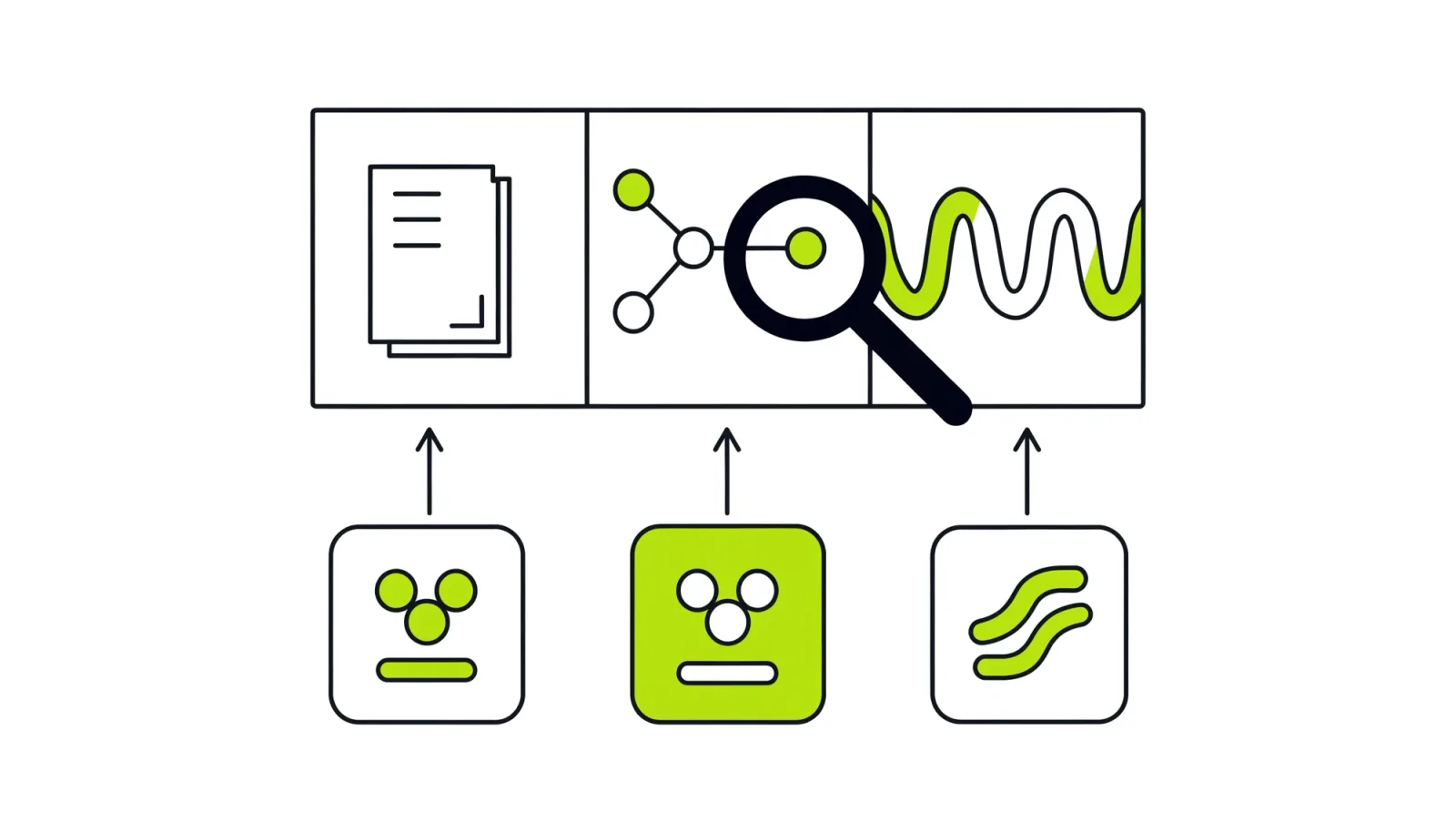 ai · · 7 min
AI account research tools: judge each by the one job it does
The AI tools that help do one research job better than your team: researching the company, mapping its people or reading its signals. Today’s AI answers won’t settle it: 22 of the 27 pages they cite are vendors’ own. Test any tool on 10 accounts you know, and keep a person on every first touch.
Read the answer speed-to-lead · · 7 min
Speed-to-lead still matters at €25k+, however long the cycle
Yes. At €25k+, most buying groups rank their shortlist before asking for a demo. In 6sense’s 2025 survey, where cycles averaged 10.1 months, buyers first spoke to the eventual winner nearly 80% of the time. The studies behind the 5-minute rule and HBR’s 7× recorded no deal size. Our standard: a named owner replies within the hour.
Read the answer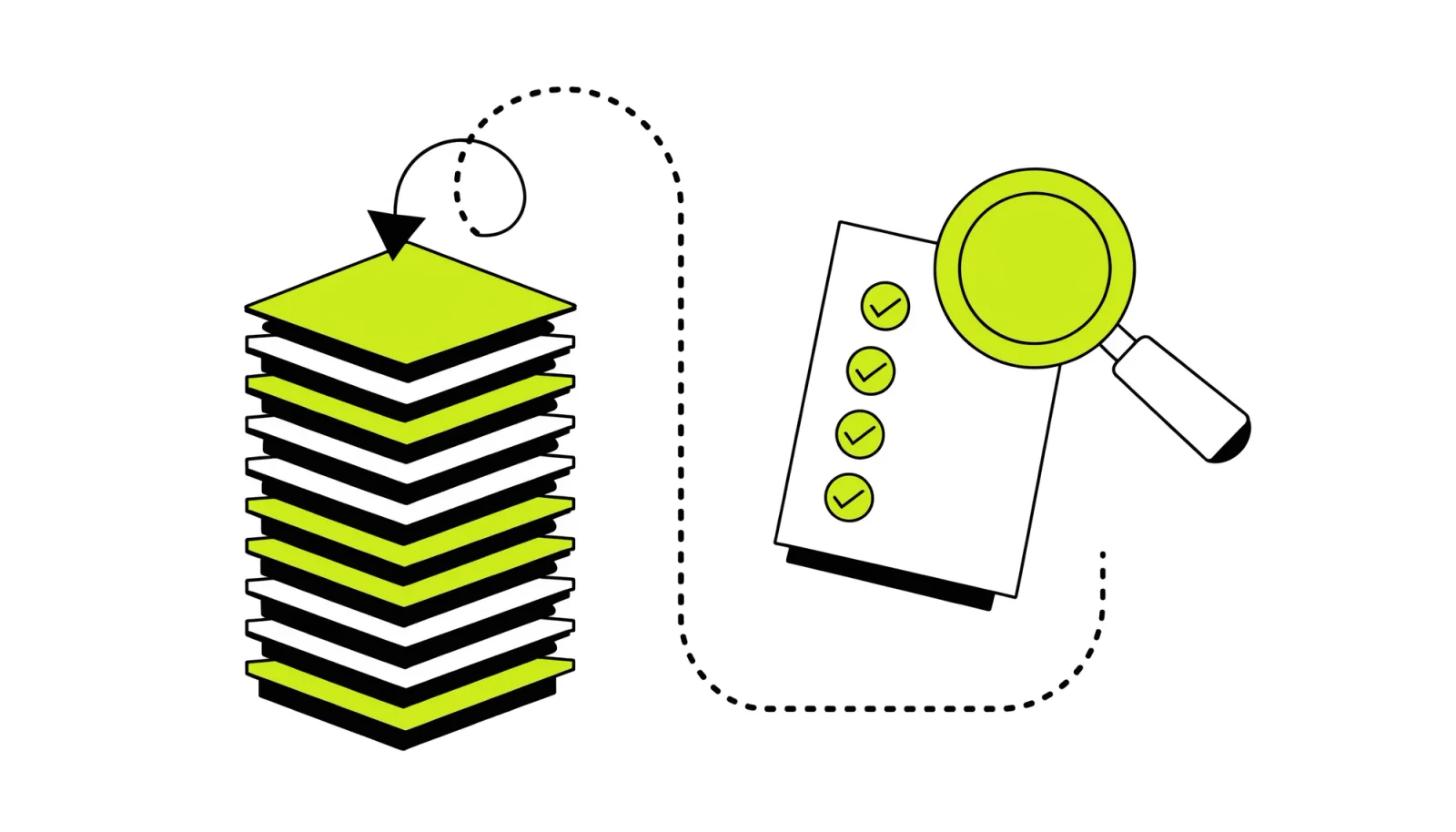 partner-selection · · 6 min
Finding a GTM consultant in Germany: 4 checks before you hire
Use lists, directories and LinkedIn for names only: all 4 ‘best GTM agency’ lists cited in AI answers rank their own publisher first. Then check 4 things on a first call: they baseline before they start, build and document in your own stack, fix routing before adding volume and use only outreach that’s lawful for German recipients.
Read the answer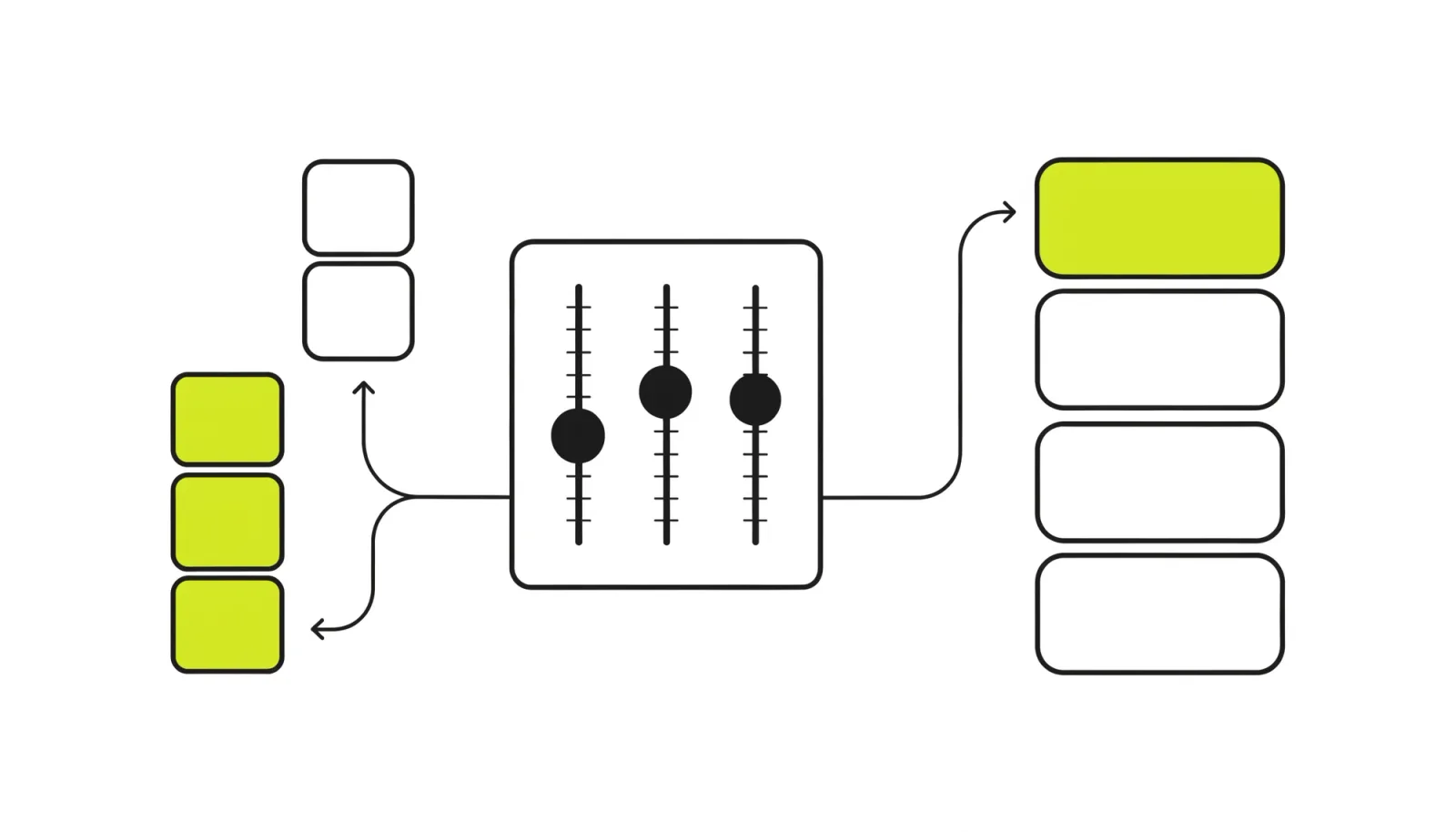 account-scoring · · 7 min
Account scoring for ABM: set weights from won and lost deals
Score accounts on fit, engagement and intent. Set fit weights from your own closed-won and closed-lost deals: a segment earns fit points only if it wins at 1.5× the average rate or better on 10 or more closed deals. Count engagement only when several buying-group members are active. Intent orders the queue but doesn’t qualify an account.
Read the answer crm-hygiene · · 6 min
Is your CRM data clean enough for AI recommendations?
For most B2B teams, not across the whole CRM, and not yet. Readiness is a property of one recommendation, not of the database. List the fields that recommendation reads, measure how complete, unique and current they are, then score a sample of its past advice against outcomes you already know. Act only where it holds up.
Read the answer pipeline-coverage · · 6 min
Pipeline coverage at €75k deals: count only what can close
Start from your own win rate: required coverage is 1 ÷ win rate, so a 25% win rate needs 4×. Count only opportunities that can close in the period. With a 6–9-month cycle, much of the open pipeline can't close this quarter, so 4× on total pipeline may be under 2× on what can. Fix stage definitions first.
Read the answer buying-group · · 8 min
How big is a B2B buying group? At €25k+, map 10 or more
A B2B buying group typically has 10–13 people inside the buying company, and about 22 once Forrester's outside influencers are added. At €25k+, map at least 10 named people across 5 roles, procurement included, rising to 20–25 above €150k. Then build agreement: Gartner found individually tailored content had a 59% negative impact on group consensus.
Read the answer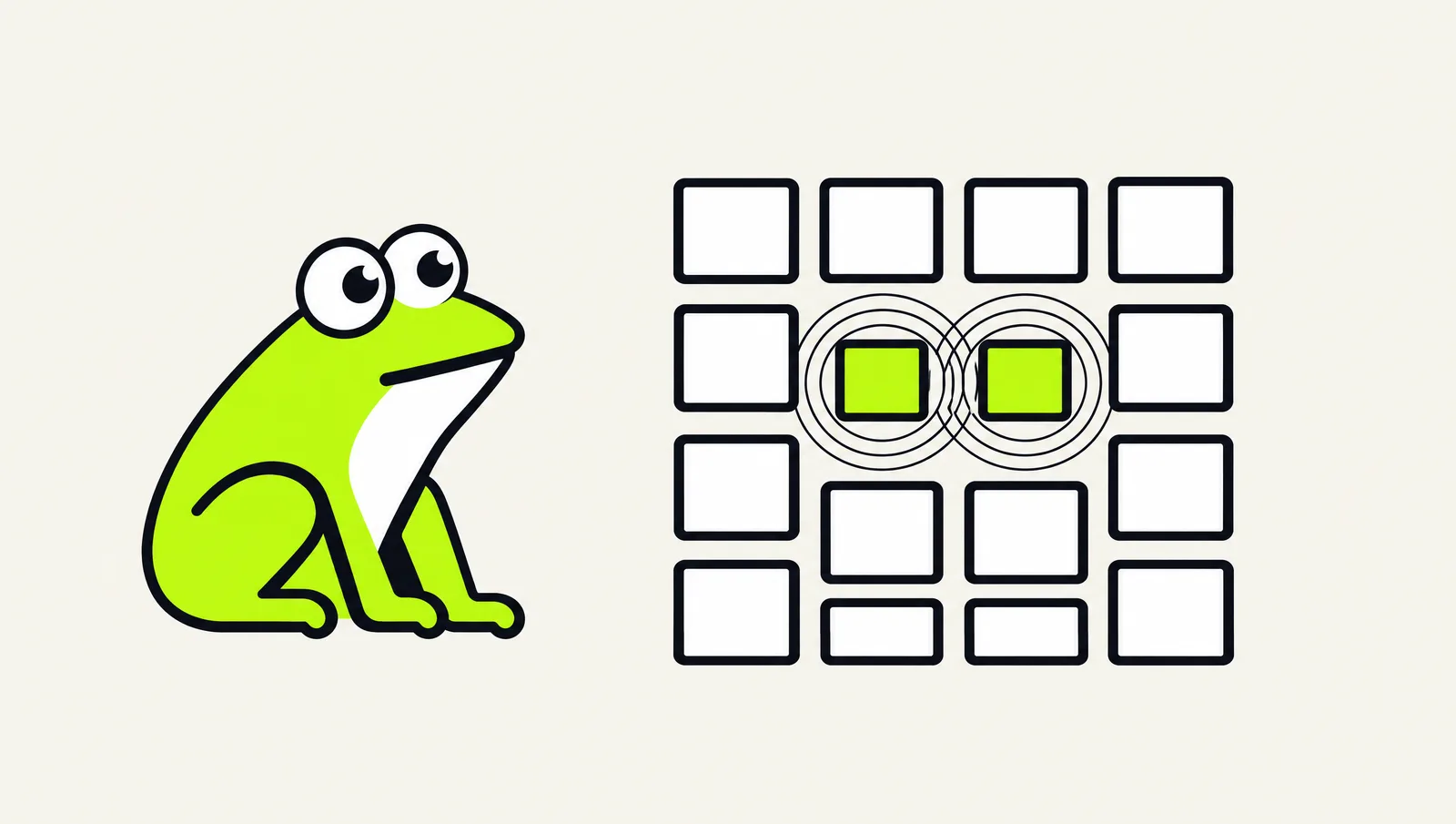 buying-signals · · 8 min
Which buying signals show a B2B account is in market?
A B2B account is in market when several people from a fit account engage within a few weeks, ideally after a trigger such as a new leader, funding or a reorganisation. Fit is a gate, not a score. A lone intent surge or form fill is weak evidence: most accounts aren’t buying, and 6sense estimates vendors see 10–15% of research.
Read the answer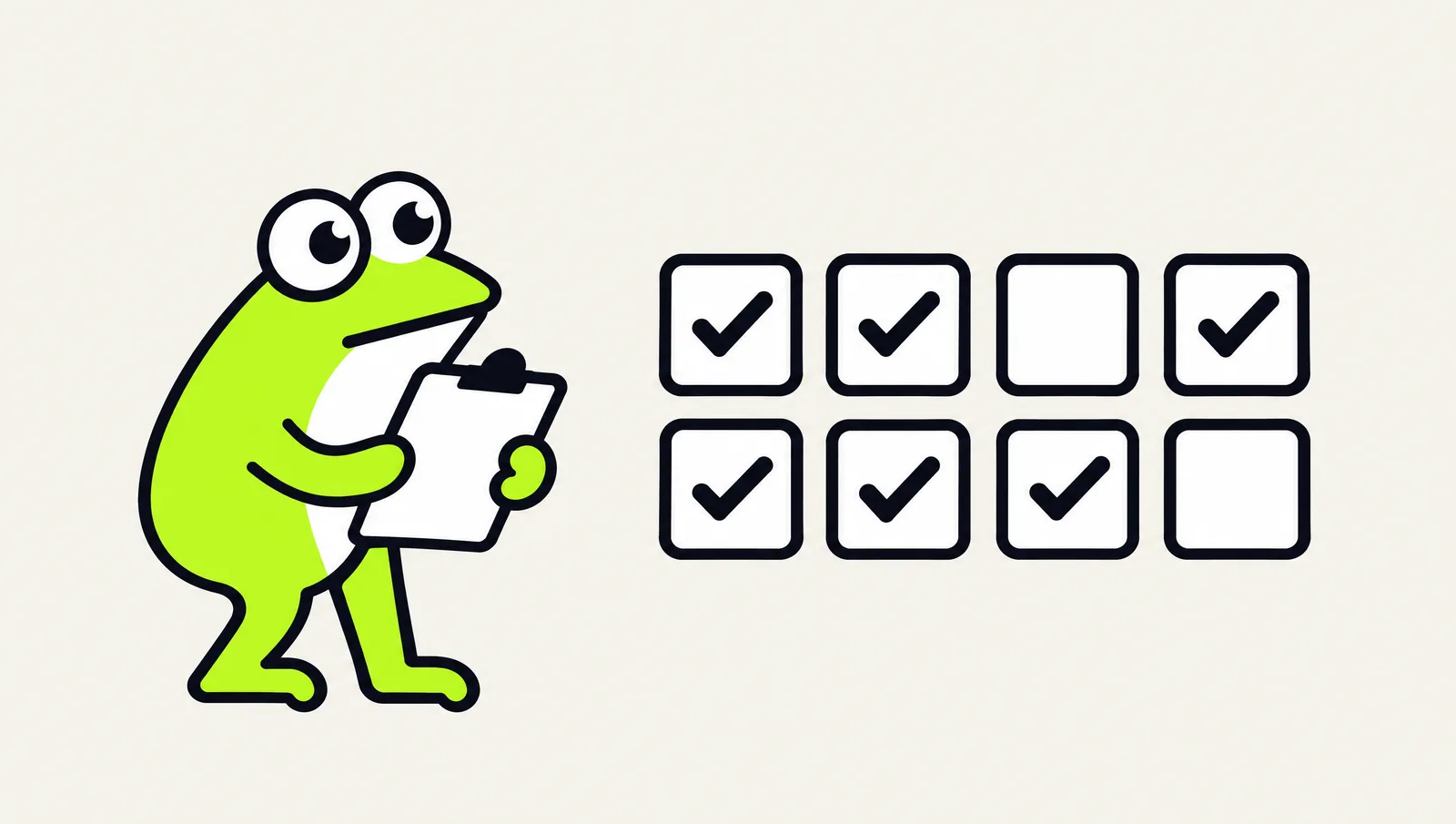 gtm-audit · · 8 min
What should a GTM audit check at €25k+ ACV? The 8 areas
A go-to-market (GTM) audit for a high-ACV B2B company should check 8 areas: ICP and ACV fit, account targeting, buying signals, speed-to-lead, qualification, CRM data, forecasting and handoffs. For each, ask one question, pull the evidence from your CRM and record at least one baseline metric. Judge accounts and buying groups, not lead volume.
Read the answer mql · · 8 min
Should you still set an MQL target at €50k+ ACV?
No, not as the target. On average 13 people are involved in a B2B buying decision, and under 1% of leads close (Forrester). 6sense reports that fewer than 30% of eventual buyers ever fill a form on the winning vendor's site. At €50k+ ACV, keep demo requests as signals with fast follow-up. Target engaged accounts, buying-group coverage and pipeline.
Read the answer